viltnemnda
viltnemnda
Introduction
Norway is known for its breathtaking forests, mountains, and rich wildlife. To protect these natural resources while allowing sustainable hunting, the country has established local wildlife management committees known as Viltnemnda.
If you are a hunter, landowner, outdoor enthusiast, or simply interested in Norway’s wildlife regulations, understanding how Viltnemnda works is important. These committees help local municipalities manage wildlife populations, recommend hunting quotas, and support conservation efforts in accordance with Norwegian law.
In this guide, you’ll learn what Viltnemnda is, how it operates, its responsibilities, and its role in wildlife management throughout Norway.
What Is Viltnemnda?
Viltnemnda is a municipal wildlife committee in Norway that helps manage wild animal populations and hunting activities within a municipality.
The committee works under Norway’s wildlife laws and cooperates with local authorities to ensure wildlife is managed responsibly. Its goal is to balance conservation, public safety, hunting opportunities, and sustainable use of natural resources.
Although municipalities may organize their wildlife management differently, many continue to use a Viltnemnda or a similar committee to oversee wildlife-related matters.
Purpose of Viltnemnda
The primary purpose of Viltnemnda is to promote responsible wildlife management while protecting Norway’s natural environment.
The committee works to:
- Support sustainable wildlife populations.
- Help maintain healthy ecosystems.
- Recommend responsible hunting practices.
- Protect endangered species when necessary.
- Reduce conflicts between wildlife and local communities.
- Promote responsible use of natural resources.
Its work helps ensure that future generations can continue to enjoy Norway’s diverse wildlife.
Responsibilities of Viltnemnda
Viltnemnda performs several important tasks related to wildlife management.
Wildlife Population Management
One of the committee’s main responsibilities is monitoring local wildlife populations.
This includes observing changes in animal numbers and helping municipalities make informed management decisions.
Hunting Recommendations
The committee may recommend hunting quotas for different species based on local wildlife conditions.
These recommendations help prevent overhunting while maintaining balanced animal populations.
Conservation Efforts
Viltnemnda supports conservation projects that protect wildlife habitats and encourage biodiversity.
This may include protecting sensitive areas where animals breed or migrate.
Cooperation with Local Authorities
The committee works closely with municipal governments, environmental agencies, hunting organizations, and landowners.
Together, they develop wildlife management plans that meet both conservation and community needs.
Public Information
Viltnemnda also helps educate residents and hunters about wildlife regulations, hunting seasons, and responsible outdoor practices.
Providing accurate information helps improve compliance with Norwegian wildlife laws.
How Viltnemnda Works
Each municipality may organize its wildlife committee slightly differently, but the overall process follows similar principles.
Local Decision-Making
Because wildlife conditions vary across Norway, local committees make recommendations based on the specific needs of their municipality.
Scientific Information
Wildlife population surveys, field observations, research data, and environmental reports are often considered before decisions are made.
Cooperation with Experts
The committee may consult wildlife biologists, environmental specialists, forestry officials, and hunting organizations when evaluating management plans.
Regular Meetings
Viltnemnda members typically meet throughout the year to discuss wildlife issues, hunting regulations, conservation projects, and recommendations for future management.
Wildlife Species Commonly Managed
Viltnemnda may be involved in managing several wildlife species found throughout Norway.
Moose (Elg)
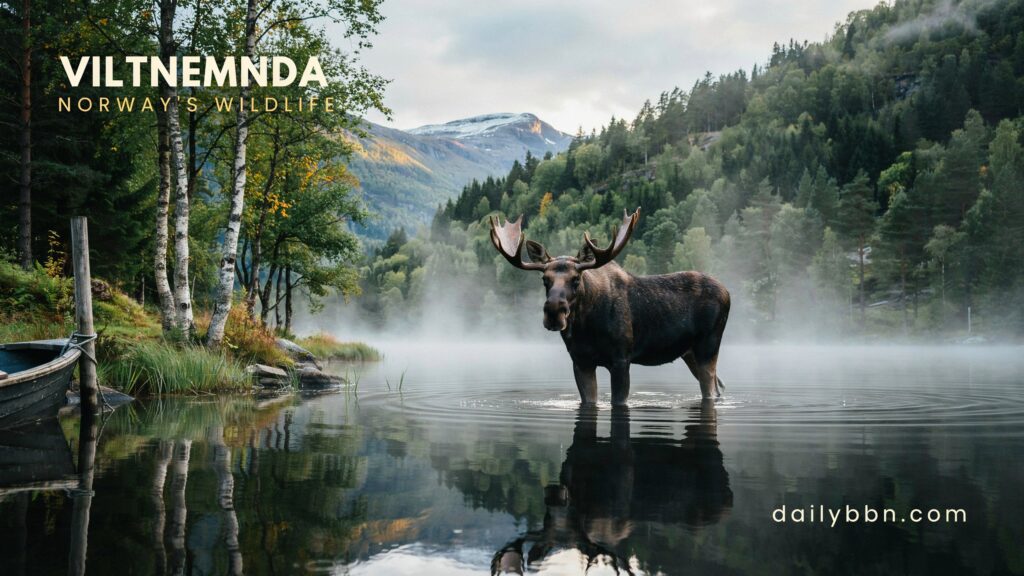
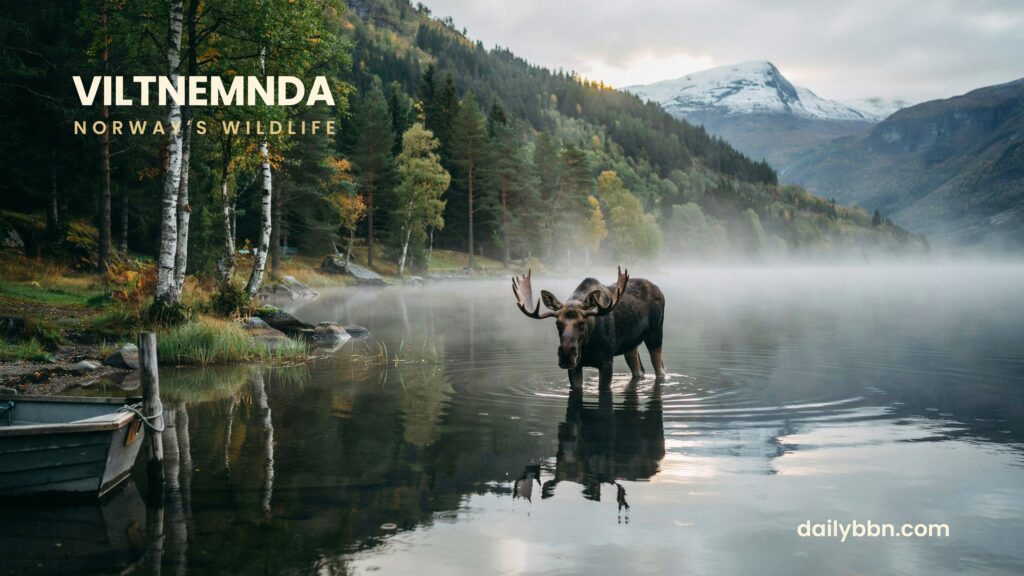
Moose are one of Norway’s most important game animals and are carefully managed through hunting quotas.
Red Deer
Red deer populations are monitored to maintain healthy numbers and reduce damage to farmland and forests.
Roe Deer
Roe deer management helps balance wildlife conservation with agricultural interests.
Wild Reindeer
In certain regions, wild reindeer require specialized management because of their ecological importance.
Small Game
Depending on the municipality, wildlife management may also include smaller game species such as hares, grouse, and other legally hunted animals.
Hunting Quotas and Permits Table
The table below shows example annual hunting quotas for a typical Norwegian municipality with mixed forest and farmland.
| Species | Example Annual Quota | Typical Permit Type | Typical Hunting Season | Primary Management Purpose |
|---|---|---|---|---|
| Moose (Elg) | 140–190 animals | Felling Permit | October–December | Population management |
| Red Deer (Hjort) | 70–110 animals | Annual Hunting Permit | September–January | Sustainable harvest |
| Roe Deer (Rådyr) | 120–180 animals | Standard Hunting License | August–December | Population balance |
| Wild Reindeer (Villrein) | 25–60 animals | Special Quota Permit | August–September | Conservation management |
| Beaver (Bever) | 15–30 animals | Harvest Permit | October–April | Wetland and flood management |
| Lynx (Gaupe) | 4–8 animals | Licensed Hunting Permit | February–March | Predator population control |
| Wolverine (Jerv) | 2–5 animals | Licensed Hunting Permit | February–April | Reindeer herd protection |
| Red Fox (Rødrev) | No fixed quota in many areas | General Hunting License | Seasonal | Wildlife management |
| Greylag Goose | 80–150 birds | Hunting License | August–December | Agricultural damage control |
| Canada Goose | 40–100 birds | Hunting License | August–December | Population control and crop protection |
Note: These figures are illustrative examples only. Hunting quotas, permit requirements, and hunting seasons are determined annually by local Norwegian wildlife authorities (Viltnemnda) and may vary between municipalities.
Importance of Sustainable Wildlife Management
Norway places a strong emphasis on sustainable wildlife management.
Viltnemnda helps ensure that hunting does not negatively affect long-term wildlife populations.
By balancing conservation with responsible hunting, the committee contributes to:
- Healthy wildlife populations
- Protected natural habitats
- Safe hunting practices
- Reduced human-wildlife conflicts
- Long-term environmental sustainability
Hunting Permits in Norway
Hunting in Norway is regulated by national laws and local wildlife management authorities. Before hunting certain species, hunters must meet legal requirements and obtain the necessary permissions.
Depending on the species and location, hunters may need to:
- Hold a valid hunting license.
- Pay the required hunting fee.
- Complete mandatory hunter education.
- Obtain permission from the landowner.
- Follow local hunting regulations and seasons.
Viltnemnda may provide recommendations that help municipalities manage hunting activities responsibly.
Hunting Quotas
Hunting quotas are used to control the number of animals that can be harvested during a hunting season.
The purpose of hunting quotas is to:
- Prevent overhunting.
- Maintain healthy wildlife populations.
- Protect breeding animals.
- Support long-term conservation.
- Balance wildlife with local agriculture and forestry.
Quota decisions are generally based on wildlife surveys, population data, and local environmental conditions.
Who Can Apply for Hunting?
People interested in hunting in Norway must follow Norwegian hunting regulations.
Applicants generally include:
Norwegian Hunters
Residents who meet legal hunting requirements.
Foreign Hunters
International hunters may hunt in Norway if they meet the country’s legal requirements and obtain the necessary permits.
Landowners
Landowners often have hunting rights on their own property, subject to Norwegian laws and local regulations.
Real-Life Case Studies
Managing Moose Populations in Innlandet
Innlandet County has one of Norway’s largest moose populations, making wildlife management an important responsibility for local authorities. Over time, the increasing number of moose led to more traffic accidents, damage to young forests, and challenges for landowners. The local Viltnemnda reviewed wildlife surveys, population estimates, and reports from forestry experts before recommending updated hunting quotas for the season.
Red Deer Management in Western Norway
Several municipalities in Western Norway have experienced growing red deer populations in recent years. While healthy wildlife numbers are positive for biodiversity, they can also increase crop damage and create conflicts with local farmers. To address these concerns, the local Viltnemnda evaluated wildlife monitoring data and consulted with landowners before recommending annual hunting quotas.
The revised management plan allowed controlled harvesting while protecting the long-term sustainability of the red deer population.
Balancing Conservation and Hunting
One Norwegian municipality faced the challenge of protecting wildlife while supporting traditional hunting activities. Instead of increasing hunting opportunities without limits, Viltnemnda relied on scientific research, field observations, and population surveys before making recommendations.
The committee encouraged cooperation between hunters, conservation groups, and local residents to develop a sustainable management strategy. By adjusting quotas based on annual wildlife data, the municipality maintained healthy animal populations while reducing conflicts between people and wildlife.
Role of Landowners
Landowners play an important role in Norway’s wildlife management system.
They may:
- Manage hunting rights on their property.
- Work with local wildlife authorities.
- Help monitor wildlife populations.
- Support habitat conservation.
- Participate in sustainable wildlife planning.
Cooperation between landowners and local authorities helps maintain healthy wildlife populations.
Real-World Example
A municipality in central Norway noticed that its moose population had increased significantly over several years. The growing population led to more vehicle collisions and damage to nearby forests.
The local Viltnemnda reviewed wildlife surveys and consulted with environmental experts before recommending updated hunting quotas for the following season.
After the new management plan was implemented, the municipality reported better control of the moose population while maintaining healthy wildlife numbers and reducing conflicts with local communities.
Benefits of Viltnemnda
Supports Wildlife Conservation
The committee helps protect Norway’s wildlife for future generations.
Promotes Sustainable Hunting
Responsible hunting practices help maintain balanced animal populations.
Reduces Human-Wildlife Conflicts
Proper wildlife management can reduce crop damage and road accidents involving animals.
Encourages Local Participation
Municipalities, landowners, and hunters all contribute to wildlife management decisions.
Protects Natural Ecosystems
Balanced wildlife populations help preserve forests, mountains, and other natural habitats.
Frequently Asked Questions
What does Viltnemnda mean?
Viltnemnda is a municipal wildlife committee in Norway that helps manage wildlife populations and supports sustainable hunting practices.
Is Viltnemnda a government agency?
It is generally a local municipal committee that works within Norway’s wildlife management system.
Does Viltnemnda issue hunting licenses?
Hunting licenses are regulated under Norwegian hunting laws. Viltnemnda mainly provides recommendations and supports local wildlife management.
Why are hunting quotas important?
Hunting quotas help prevent overhunting and ensure wildlife populations remain healthy over the long term.
Can foreigners hunt in Norway?
Yes. Foreign hunters may hunt in Norway if they meet the country’s legal requirements and obtain the necessary permissions.
Which animals are commonly managed?
Depending on the municipality, management may include moose, red deer, roe deer, wild reindeer, and various small game species.
Conclusion
Viltnemnda plays an important role in Norway’s wildlife management system by supporting conservation, sustainable hunting, and responsible management of natural resources. Through cooperation with municipalities, landowners, hunters, and environmental experts, these local wildlife committees help maintain healthy animal populations while protecting Norway’s unique ecosystems.
Whether you are interested in hunting regulations, wildlife conservation, or learning how Norway manages its natural resources, understanding the role of Viltnemnda provides valuable insight into one of the country’s most important local environmental management systems.