lusv basketball
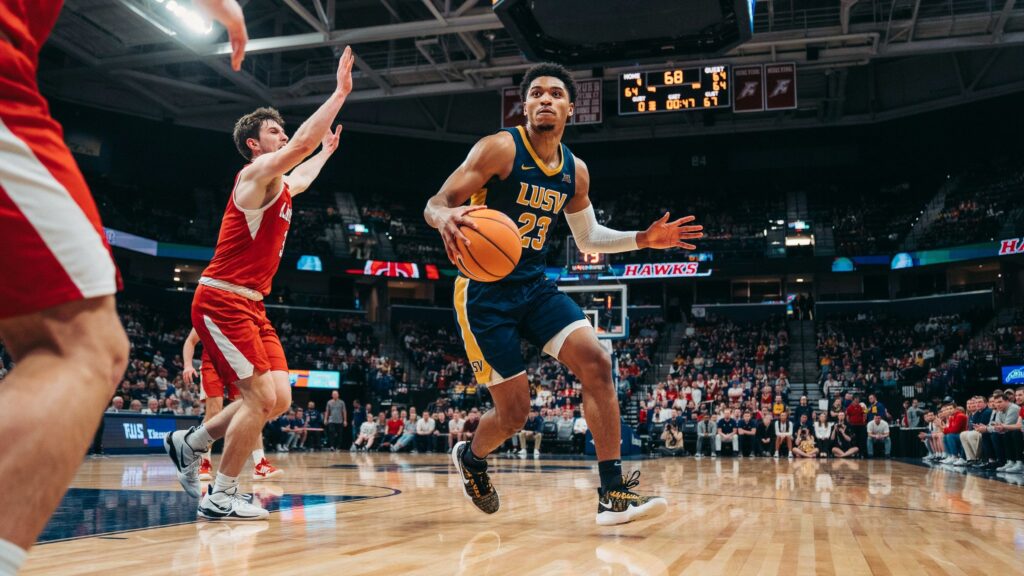
lusv basketball
Introduction
Basketball is one of the most popular sports in the United States, and interest in local teams, school programs, clubs, and community leagues continues to grow. For players and fans, basketball is about much more than scoring points. It combines athletic ability, teamwork, discipline, strategy, and quick decision-making.
People searching for lusv basketball may be looking for information about a basketball program, team, organization, competition, or a specific basketball-related community. Because the exact meaning of the term can depend on the context in which it is used, it is important to understand the broader basketball environment rather than assume details that may not apply.
This guide explains the fundamentals surrounding LUSV basketball, what makes a basketball program successful, how players develop their skills, and what fans or newcomers should know when following a team or program.
What Is LUSV Basketball?
The phrase LUSV basketball appears to be a specific search term connected with basketball, but the exact organization or program represented by “LUSV” can vary depending on the source or location.
For that reason, readers should check the official team, school, league, or organization associated with the term before relying on details such as schedules, rosters, rankings, or player statistics.
Regardless of the specific program, basketball organizations generally bring players together for structured competition and development. A well-organized basketball program may include practices, games, coaching sessions, player development activities, and community events.
The main goals are usually straightforward:
- Develop basketball skills
- Encourage teamwork
- Improve physical fitness
- Teach discipline
- Build confidence
- Provide competitive experience
- Create a positive team environment
For young players especially, organized basketball can provide valuable lessons that extend beyond the court.
Understanding the Basics of Basketball
Before following any basketball program, it helps to understand how the game works.
Basketball is played between two teams, with the objective of scoring by putting the ball through the opposing team’s basket. Players move the ball by passing and dribbling while attempting to create scoring opportunities.
The Five Main Positions
Traditional basketball uses five positions, although modern basketball has become more flexible.
Point Guard
The point guard typically helps organize the team’s offense. This player often handles the ball, brings it up the court, creates plays, and looks for opportunities to involve teammates.
Shooting Guard
A shooting guard is often expected to score from outside the paint. Strong shooting, ball handling, and defensive skills are valuable for this position.
Small Forward
Small forwards are usually versatile players who can contribute in several areas, including scoring, rebounding, passing, and defense.
Power Forward
Power forwards traditionally play near the basket and contribute through rebounding, interior scoring, and defense. Modern power forwards may also shoot from outside.
Center
The center is commonly one of the team’s bigger players. Centers often protect the basket, collect rebounds, set screens, and score close to the rim.
Today’s game allows players to move between positions, making versatility increasingly important.
Why Basketball Programs Matter
A strong basketball program provides players with more than regular games.
Skill Development
Players can improve fundamental abilities through structured practice.
Important basketball skills include:
- Dribbling
- Passing
- Shooting
- Rebounding
- Defensive positioning
- Footwork
- Ball handling
Consistent practice allows players to develop these skills gradually.
Teamwork
Basketball is a team sport. Even an excellent individual player cannot consistently succeed without cooperation from teammates.
Players learn how to communicate, share the ball, set screens, rotate defensively, and trust one another.
Discipline
Regular practices require commitment. Players must arrive prepared, follow coaching instructions, and continue working even when improvement takes time.
These habits can also be useful in school, work, and other areas of life.
How Players Improve Their Basketball Skills
Becoming a better basketball player does not happen overnight. Improvement comes from consistent practice and learning from mistakes.
Practice the Fundamentals
Players should spend time developing basic skills before concentrating exclusively on advanced moves.
A simple training session might include:
- Warm-up exercises
- Ball-handling drills
- Passing practice
- Shooting repetitions
- Defensive footwork
- Conditioning
- Game situations
Strong fundamentals provide the foundation for more advanced basketball techniques.
Improve Shooting Technique
Good shooting requires more than simply throwing the ball toward the basket.
Players should pay attention to:
- Balanced foot placement
- Consistent hand positioning
- Controlled motion
- Follow-through
- Proper release
- Repetition
Players should also practice shots from different areas of the court rather than becoming comfortable in only one location.
The Role of Coaching
Coaches play an important role in the development of basketball players.
A good coach does more than create plays. Coaches teach players how to understand the game, communicate effectively, handle pressure, and work together.
Tactical Development
Players learn offensive and defensive systems during practices and games.
Offensive concepts may include:
- Spacing
- Passing
- Screens
- Fast breaks
- Pick-and-rolls
- Ball movement
Defensive concepts can include:
- Man-to-man defense
- Zone defense
- Help defense
- Defensive rotations
- Rebounding
Understanding these concepts allows players to make better decisions during games.
Building Confidence
Young players sometimes hesitate after making mistakes. Effective coaching helps them understand that mistakes are part of development.
Constructive feedback can encourage players to learn rather than become afraid of failure.
What Makes a Basketball Team Successful?
Winning is important in competitive basketball, but successful teams usually have several characteristics beyond talent.
Communication
Players need to communicate constantly, especially on defense.
Team Chemistry
Players who understand each other’s strengths can work together more effectively.
Preparation
Teams that study opponents and prepare for different situations are often better equipped to handle challenging games.
Consistency
Strong performance requires consistent effort during practices as well as games.
Adaptability
Basketball games can change quickly. Successful teams adjust their strategy when opponents change defensive schemes, tempo, or lineups.
LUSV Basketball: Player Development, Strategy, Training & More
How to Train for Basketball
Basketball requires a combination of skill, speed, coordination, strength, and endurance. Players involved in lusv basketball or any organized basketball program can benefit from a balanced training routine instead of focusing on only one part of the game.
Basketball Conditioning
Players need enough stamina to maintain their performance throughout a game. Useful conditioning activities include:
- Short sprints
- Defensive slides
- Jumping exercises
- Agility drills
- Interval running
- Change-of-direction exercises
Basketball conditioning should resemble the movements players make during actual games. Short bursts of intense activity followed by recovery are often more relevant than simply running long distances.
Strength and Mobility
Strength training can help players become more stable and powerful on the court. Exercises should be age-appropriate and performed with proper technique.
Mobility work is also important because basketball involves frequent jumping, turning, stopping, and changing direction. A suitable warm-up before practice can prepare the body for these movements.
Basketball Strategy and Game Intelligence
Physical ability is only one part of basketball. Players also need to understand what is happening on the court.
Offensive Strategy
A good offense creates opportunities instead of relying on one player to score repeatedly.
Important concepts include:
Spacing
Players should avoid standing too close together. Good spacing gives ball handlers room to drive and creates passing opportunities.
Ball Movement
Quick and purposeful passing can move the defense and create open shots.
Screens
Screens can help teammates get open by temporarily blocking a defender’s path within the rules of the game.
Transition Offense
After gaining possession, teams may quickly move up the court before the defense has time to establish its position.
Defensive Strategy
Defense requires concentration and teamwork.
Players need to understand:
- Where their opponent is
- Where the ball is
- When to provide help
- How to contest shots
- When to switch defensive assignments
- How to box out for rebounds
Strong defense is usually the result of five players working together rather than one player trying to make every play.
Youth Basketball and Player Development
Youth basketball programs can provide children with an opportunity to learn sportsmanship while developing athletic skills.
Focus on Fundamentals
Young players should first learn:
- Correct shooting form
- Basic dribbling
- Passing
- Defensive stance
- Footwork
- Rebounding
- Team communication
Coaches should avoid putting excessive pressure on young athletes to win every game. Skill development and enjoyment can create a stronger foundation for long-term participation.
Building Healthy Competition
Competition can teach children how to handle both success and disappointment.
A healthy basketball environment encourages players to:
- Respect opponents
- Listen to coaches
- Support teammates
- Accept mistakes
- Celebrate improvement
- Follow the rules
These lessons can remain valuable long after a season ends.
How to Follow a Basketball Program
If you are searching for lusv basketball because you want to follow a particular team or program, start with reliable sources.
Check Official Sources
Look for an official school, club, league, or organization website. These sources are generally the best places to verify schedules, rosters, game locations, and announcements.
Follow Verified Social Accounts
Teams and athletic organizations often use social media to announce game times, results, player achievements, and schedule changes.
Check Local Sports Coverage
Local sports publications can provide additional context, including game reports and community information.
Verify Game Information
Schedules can change because of weather, venue availability, tournaments, or other circumstances. Always confirm the date and location before attending a game.
What Fans Can Expect From a Basketball Game
Attending a basketball game can be an exciting experience for both longtime fans and newcomers.
Games typically feature fast transitions between offense and defense, three-point attempts, rebounds, defensive stops, and strategic timeouts.
Fans can make the experience better by arriving early, checking venue rules, and supporting players respectfully.
Understanding the Scoreboard
A basketball scoreboard generally displays:
- Team scores
- Game clock
- Quarter or period
- Team fouls
- Player fouls
- Timeouts
- Possession information
Understanding these basic elements makes it easier for new fans to follow the action.
Common Mistakes Basketball Players Should Avoid
Even talented players can slow their development by developing poor habits.
Ignoring Defense
Some players focus almost entirely on scoring. However, defense can have a major influence on a team’s performance.
Practicing Without a Plan
Random shooting for a long period may not be as effective as structured practice with specific goals.
Trying to Do Everything Alone
Basketball rewards players who know when to pass, when to shoot, and when to allow teammates to make plays.
Neglecting Recovery
Rest, hydration, nutrition, and appropriate recovery are important parts of athletic development.
Real-Life Example
Consider a high school basketball player who wants to become more consistent during games. Instead of only practicing three-point shots, the player creates a balanced weekly routine.
The routine includes ball-handling drills, finishing at the basket, defensive footwork, passing exercises, conditioning, and controlled shooting practice.
During games, the player begins paying more attention to spacing and defensive positioning instead of concentrating only on scoring. Over time, the player becomes more confident and contributes in several areas.
This example demonstrates why complete player development is often more valuable than focusing on one skill.
Frequently Asked Questions
What does LUSV basketball mean?
The exact meaning of LUSV basketball depends on the organization or context associated with the term. Readers should verify the specific team, school, league, or program through an official source.
Is basketball good for young players?
Yes. Age-appropriate basketball can help children develop coordination, fitness, teamwork, discipline, and confidence.
What are the most important basketball skills?
Basic skills include dribbling, passing, shooting, rebounding, defensive footwork, and decision-making.
How can I become a better basketball player?
Practice consistently, focus on fundamentals, improve physical conditioning, study the game, listen to coaching feedback, and apply your skills in realistic game situations.
How can I find a basketball team’s schedule?
The best approach is to check the team’s official website, school athletics page, league website, or verified social media account.
Is scoring the most important part of basketball?
No. Scoring is important, but passing, defense, rebounding, communication, screening, and smart decision-making all contribute to team success.
Conclusion
LUSV basketball is a search term that may refer to a particular basketball team, program, or organization, so specific details should always be confirmed through an official source. Regardless of the exact context, understanding basketball fundamentals, player development, training, strategy, teamwork, and sportsmanship can help both players and fans get more from the game.
For players, consistent practice and a balanced approach are key to improvement. For fans, learning the basic rules and following reliable team information makes games easier and more enjoyable to follow. Ultimately, basketball remains a sport built around skill, teamwork, preparation, and the ability to make smart decisions under pressure.