back casting room
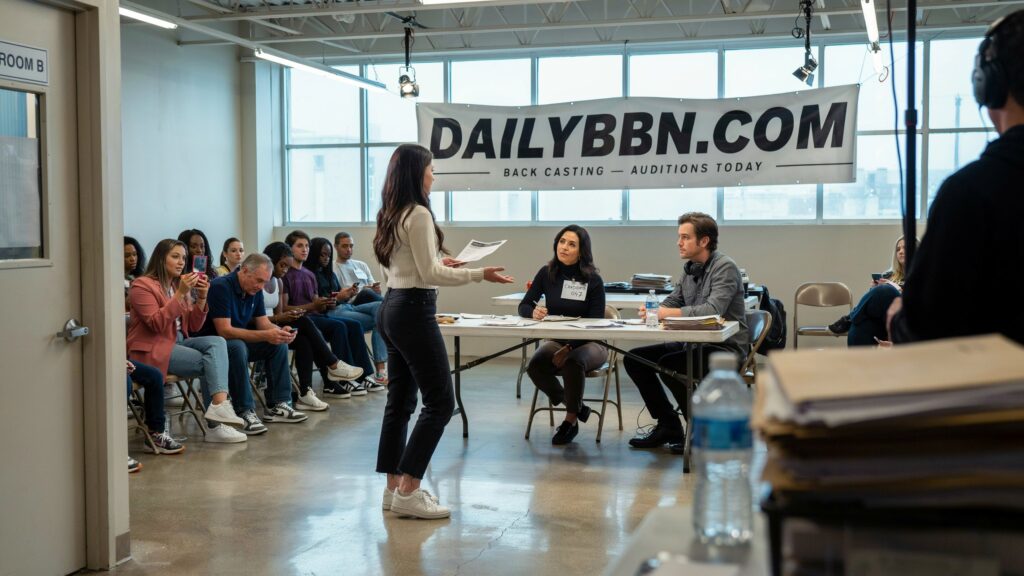
back casting room
Introduction
Planning for the future can be challenging, especially when organizations need to solve long-term problems or achieve ambitious goals. Instead of predicting what may happen based on current trends, many businesses and organizations use a different planning approach called back casting. A back casting room is a dedicated space where teams work together to define a desired future outcome and then identify the steps needed to achieve it. This method encourages creative thinking, better collaboration, and more effective long-term planning.
What Is Back Casting?
Back casting is a strategic planning technique that begins with a clear vision of a desired future. Rather than asking, “What will happen if current trends continue?” it asks, “What future do we want to create, and what actions are required to get there?”
This approach is commonly used when organizations need innovative solutions that cannot be achieved through traditional forecasting alone.
What Is a Back Casting Room?
A back casting room is a collaborative workspace designed specifically for long-term strategic planning. It provides an environment where team members can brainstorm ideas, map future goals, and develop practical action plans.
A typical back casting room includes several important elements.
Visual Planning Tools
Whiteboards, digital displays, sticky notes, and planning charts help teams organize ideas and visualize the journey from the present to the desired future.
Collaboration Technology
Many organizations use project management software, digital brainstorming tools, and interactive displays to improve teamwork and simplify planning sessions.
Creative Workspace
A comfortable and distraction-free environment encourages open discussion, creative thinking, and active participation from every team member.
Where Are Back Casting Rooms Used?
Organizations across different industries use back casting rooms to support strategic planning and long-term decision-making.
Environmental Planning
Governments and environmental organizations use back casting to create practical plans for reducing carbon emissions, protecting natural resources, and achieving sustainability goals.
Business Strategy
Companies use back casting rooms to define future business objectives, prepare for market changes, improve innovation, and build long-term growth strategies.
Urban Development
City planners use this planning method to design sustainable communities, improve transportation systems, and prepare for future population growth while protecting local resources.
Benefits of a Back Casting Room
A back casting room offers several advantages for organizations that want to achieve long-term goals through structured planning.
Creates a Clear Long-Term Vision
Instead of focusing only on current challenges, teams begin by defining their ideal future. This provides a clear direction for every decision made during the planning process.
Encourages Creative Thinking
Starting with the desired outcome allows participants to explore new ideas without being limited by existing processes or assumptions.
Improves Strategic Planning
Back casting helps organizations connect today’s actions with future objectives, ensuring that short-term projects support long-term success.
Strengthens Team Collaboration
Planning sessions bring together people from different departments, allowing them to share ideas, solve problems, and build stronger strategies together.
Challenges of Using a Back Casting Room
Although back casting is highly effective, organizations may face a few challenges when implementing this planning approach.
Requires Time and Resources
Creating a dedicated planning space and organizing workshops requires both financial investment and employee commitment.
Needs Stakeholder Support
Successful planning depends on active participation from managers, team members, and decision-makers throughout the organization.
Can Be a Complex Process
Large projects often involve multiple stages, making careful planning and experienced facilitation essential for success.
Real-World Example
A manufacturing company in the United States wanted to reduce its carbon emissions by 50% within ten years. Instead of making small yearly improvements without a clear direction, the leadership team organized several planning sessions in a back casting room.
They first defined what a successful future would look like and then worked backward to identify the steps needed to reach that goal. The team developed a roadmap that included investing in renewable energy, upgrading production equipment, improving supply chain efficiency, and reducing waste across operations.
Because every action supported the company’s long-term vision, the organization was able to make steady progress while keeping employees focused on the same objective.
Frequently Asked Questions
What is a back casting room?
A back casting room is a dedicated space where teams use the back casting method to plan future goals by working backward from a desired outcome.
How is back casting different from forecasting?
Forecasting predicts future events based on current trends, while back casting starts with a future goal and identifies the actions needed to achieve it.
Who uses back casting rooms?
Businesses, government agencies, environmental organizations, universities, city planners, and nonprofit organizations commonly use back casting for strategic planning.
Why is a back casting room important?
It encourages collaboration, supports innovative thinking, improves decision-making, and helps organizations align short-term actions with long-term goals.
Can small businesses use back casting?
Yes. Small businesses can use back casting to create growth strategies, improve operations, launch new products, and plan for future success.
Conclusion
A back casting room provides organizations with a structured way to plan for the future by starting with a clear vision and working backward to identify practical actions. Unlike traditional forecasting, this approach encourages innovation, collaboration, and strategic thinking. Whether used for business planning, sustainability initiatives, or urban development, a back casting room helps teams stay focused on long-term objectives while making informed decisions in the present. As organizations continue to face complex challenges, back casting remains a valuable planning method for building sustainable and successful futures.