How long do car batteries last
How long do car batteries last
Your car battery is one of the most important parts of your vehicle. It provides the power needed to start the engine, operate lights, and support many electrical systems. Whether you drive every day or only occasionally, knowing how long do car batteries last can help you avoid unexpected breakdowns and costly repairs.
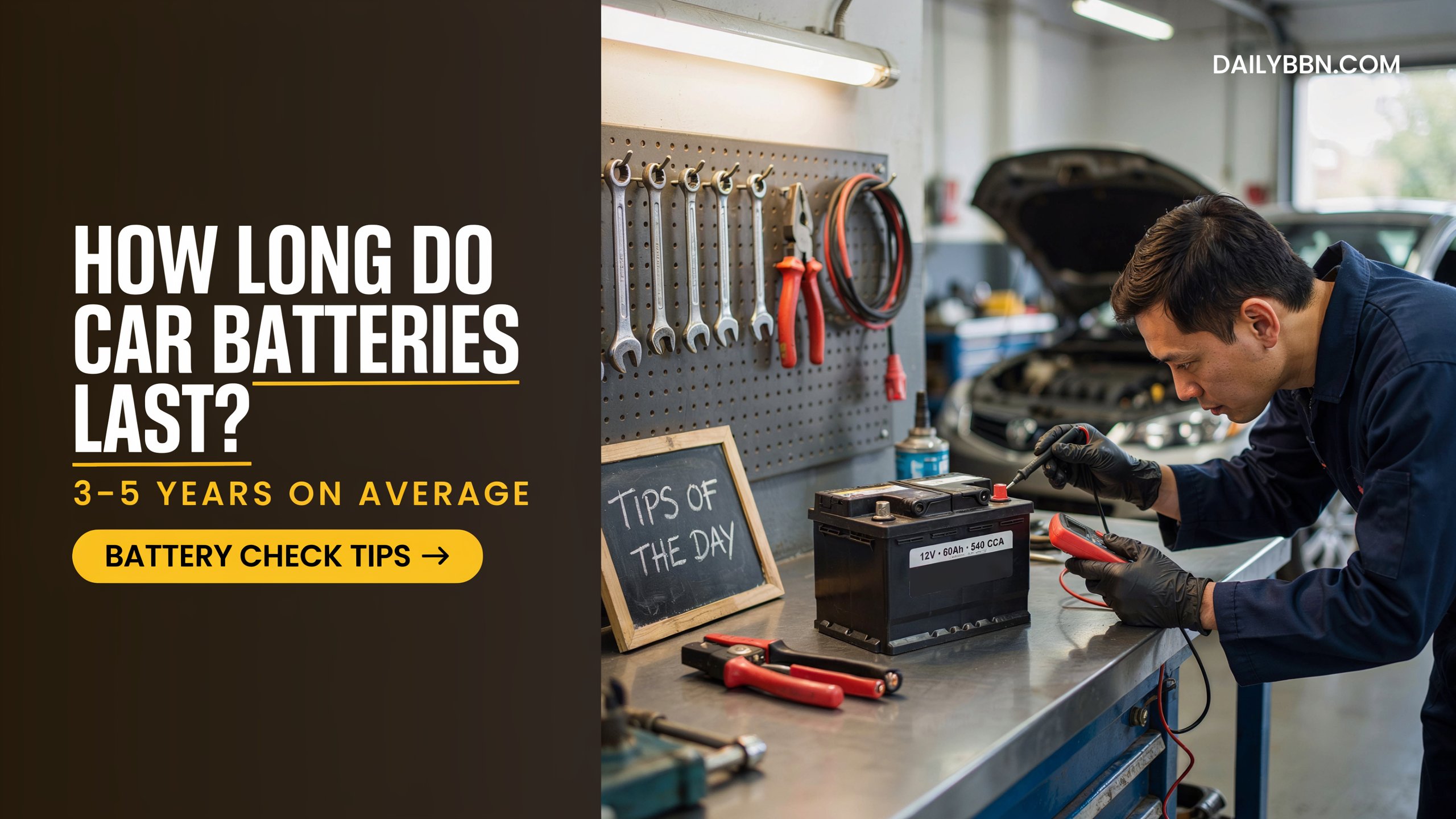
In general, most car batteries last between 3 and 5 years under normal driving conditions. However, the actual lifespan depends on several factors, including climate, driving habits, battery quality, and vehicle maintenance.
If you’ve ever been stranded because your battery suddenly died, you know how frustrating it can be. Fortunately, understanding the warning signs and taking a few simple maintenance steps can help extend your battery’s life and reduce the chances of being left with a vehicle that won’t start.
This guide explains how long car batteries usually last, what affects their lifespan, signs that indicate replacement is needed, practical maintenance tips, common mistakes to avoid, and answers to frequently asked questions.
What Is a Car Battery?
A car battery is a rechargeable battery that supplies electrical power to your vehicle.
Its primary responsibilities include:
Starting the Engine
The battery delivers the power needed to start your vehicle.
Powering Electrical Components
It supplies electricity to headlights, dashboard electronics, radio, power windows, and other accessories.
Supporting the Charging System
The battery works together with the alternator to keep electrical systems operating properly.
Without a healthy battery, even a perfectly functioning engine cannot start.
How Long Do Car Batteries Last?
For most passenger vehicles in the United States:
Average Lifespan
A typical car battery lasts 3 to 5 years.
Premium Batteries
Higher-quality batteries may last 5 to 6 years with proper maintenance.
Extreme Conditions
Very hot or very cold climates may shorten battery life to around 2 to 3 years.
Because every vehicle is different, it’s a good idea to have your battery tested once it reaches the three-year mark.
Factors That Affect Car Battery Life
Several factors influence how long a battery will last.
Climate
Hot Weather
High temperatures accelerate chemical reactions inside the battery and increase water loss, reducing battery life.
States with extremely hot summers often experience shorter battery life than cooler regions.
Cold Weather
Cold temperatures reduce battery performance and make engines harder to start.
Although cold weather doesn’t usually damage batteries as quickly as heat, it can reveal an already weak battery.
Driving Habits
Frequent Short Trips
Short drives may not give the alternator enough time to fully recharge the battery.
Regular Highway Driving
Longer trips allow the charging system to replenish the battery more effectively.
Battery Quality
Premium batteries often contain better materials and stronger internal construction than cheaper alternatives.
A higher-quality battery may provide better performance and longer service life.
Vehicle Electronics
Modern vehicles contain numerous electronic systems such as:
- Navigation systems
- Backup cameras
- Heated seats
- Power accessories
- Advanced safety systems
These features increase electrical demand on the battery.
Maintenance
Keeping battery terminals clean and ensuring secure cable connections can improve performance and longevity.
Signs Your Car Battery May Need Replacement
Recognizing early warning signs can prevent unexpected breakdowns.
Slow Engine Cranking
If the engine turns over slowly when starting, the battery may be weakening.
Dim Headlights
Lights that appear dimmer than usual may indicate reduced battery power.
Dashboard Battery Warning Light
A battery warning light should never be ignored.
It may indicate a battery problem or an issue with the charging system.
Electrical Problems
You may notice:
- Slow power windows
- Weak interior lights
- Radio resetting
- Malfunctioning electronics
Swollen Battery Case
Excessive heat can cause the battery casing to expand.
A swollen battery should be replaced immediately.
Corroded Battery Terminals
White or blue corrosion around battery terminals can interfere with electrical connections.
Cleaning corrosion may improve performance, but severe corrosion may indicate an aging battery.
How to Extend Car Battery Life
Simple maintenance can help maximize battery lifespan.
Drive Your Vehicle Regularly
Vehicles that sit unused for weeks often experience battery discharge.
Driving regularly helps maintain battery charge.
Keep Battery Terminals Clean
Remove corrosion using a battery cleaning brush and appropriate cleaning solution.
Clean terminals improve electrical conductivity.
Turn Off Electronics
Before leaving your vehicle, ensure lights, interior accessories, and other electrical devices are switched off.
Secure the Battery
A loose battery can vibrate excessively, damaging internal components.
Schedule Battery Testing
Many automotive parts stores in the United States offer free battery testing.
Annual testing becomes especially useful once the battery reaches three years of age.
When Should You Replace a Car Battery?
Consider replacing your battery if:
It Is More Than 4 Years Old
Older batteries become less reliable.
You Experience Frequent Starting Problems
Repeated slow starts often indicate battery deterioration.
Battery Tests Show Low Capacity
Professional battery testing provides accurate information about battery health.
Visible Damage Exists
Replace batteries showing swelling, cracks, or leaks.
Common Mistakes That Reduce Battery Life
Avoid these common habits.
Leaving Lights On
Leaving headlights or interior lights on can completely discharge the battery.
Ignoring Corrosion
Dirty terminals reduce charging efficiency.
Taking Only Short Trips
Constant short trips prevent full battery charging.
Delaying Replacement
Waiting until the battery completely fails increases the risk of unexpected breakdowns.
Choosing the Wrong Battery
Always install a battery that matches your vehicle manufacturer’s specifications.
Real-World Example
Michael lives in Arizona, where summer temperatures often exceed 100°F.
His original battery lasted only three years because of the intense heat. During a routine maintenance visit, his mechanic recommended a battery test, which showed reduced capacity.
Instead of waiting for a complete failure, Michael replaced the battery before a long road trip. A few weeks later, several of his coworkers experienced battery failures during the same heat wave, but his vehicle continued running without any issues.
Regular testing helped him avoid an inconvenient roadside breakdown.
Benefits of Replacing Your Battery on Time
Reliable Starting
A healthy battery starts your vehicle consistently.
Improved Electrical Performance
Vehicle electronics operate more efficiently.
Reduced Breakdown Risk
Replacing an aging battery lowers the chance of unexpected failure.
Better Safety
Reliable power helps ensure important safety systems continue working properly.
Peace of Mind
Knowing your battery is in good condition makes long trips less stressful.
Frequently Asked Questions
How long do car batteries usually last?
Most car batteries last 3 to 5 years under normal driving conditions.
Does hot weather shorten battery life?
Yes. High temperatures are one of the biggest factors that reduce battery lifespan.
Can cold weather kill a battery?
Cold weather usually exposes an already weak battery rather than causing the original damage.
How can I tell if my battery is failing?
Common signs include slow engine cranking, dim headlights, dashboard battery warnings, and electrical problems.
Should I replace my battery after four years?
Many experts recommend testing the battery annually after three years and considering replacement around four to five years depending on its condition.
Can a car battery last longer than five years?
Yes. High-quality batteries that receive proper maintenance and operate in moderate climates may last longer than five years.
Conclusion
Understanding how long do car batteries last helps you avoid unexpected vehicle problems and expensive emergency repairs. While most car batteries last between 3 and 5 years, factors such as climate, driving habits, battery quality, and maintenance all influence their lifespan.
Regular inspections, clean battery terminals, longer driving trips, and routine battery testing can significantly improve reliability. If your battery is more than a few years old or shows warning signs like slow starts or dim lights, replacing it before it fails is often the smartest decision.
A healthy battery keeps your vehicle dependable, supports all electrical systems, and gives you confidence every time you turn the key.